
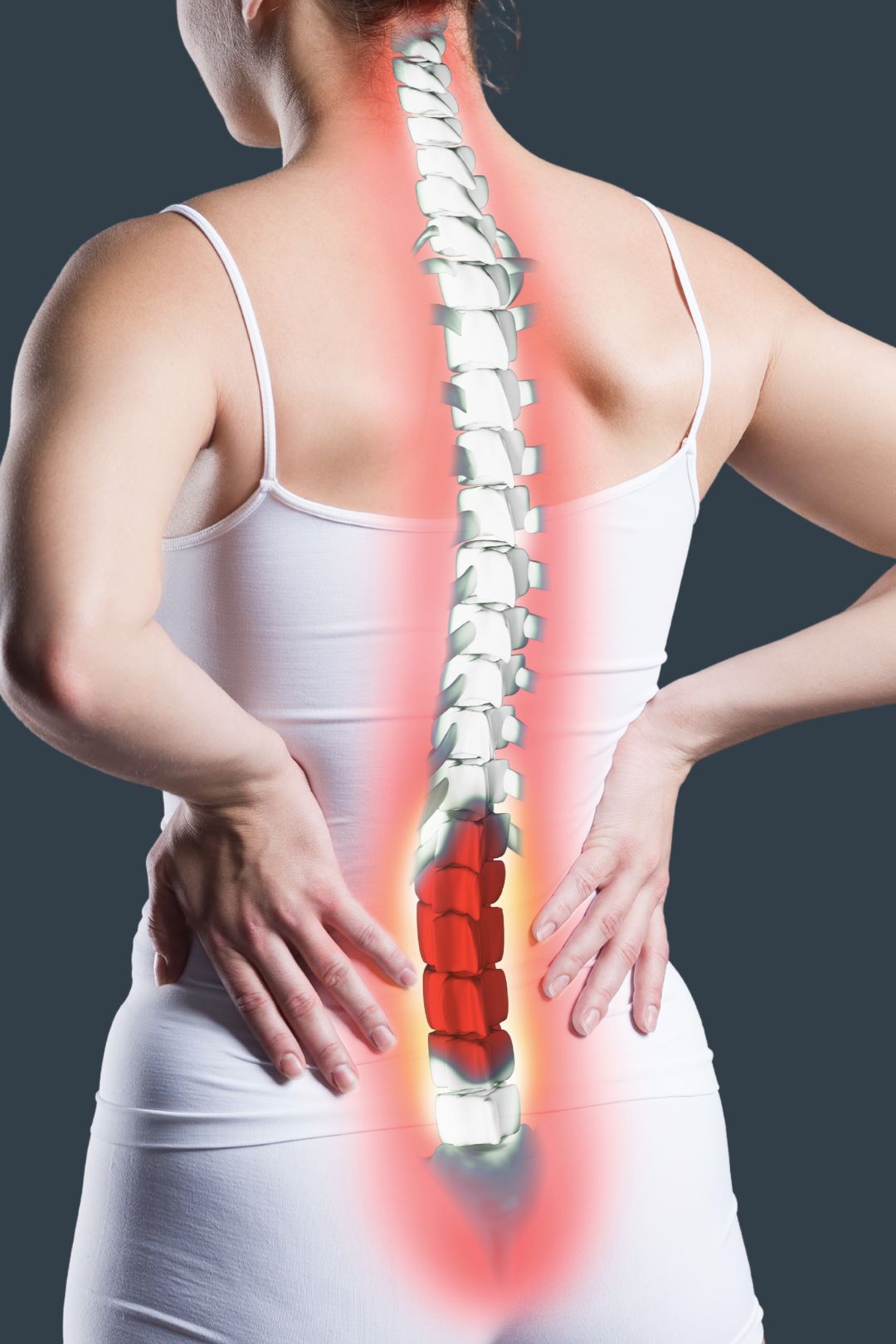
Lower back pain is one of the most common conditions we treat at Peak Motion and one of the most mismanaged.
For most people, the instinct is to rest, wait and hope it settles. But for the many people whose pain keeps returning, that approach misses the point entirely. Lower back pain that comes back is telling you something, that the underlying cause hasn’t been addressed.
At Peak Motion, we treat lower back pain differently. We look beyond the site of pain to understand what’s driving it, address the weakness or movement pattern that’s contributing and build a plan that creates lasting results, not just temporary relief.

Lower back pain rarely happens in isolation. It’s almost always connected to how the body moves, how it loads and where it’s lacking the strength or mobility to support itself properly.
For some patients it’s a workplace or lifestyle issue, long hours at a desk, repetitive movements or physically demanding work that the body isn’t adequately conditioned for. For others it’s a sports or activity-related pattern, a weakness or compensation that places load on the wrong structures over time. And for many, it’s a previous injury that was treated for symptoms but never fully rehabilitated.
Common contributing factors include:

Sciatica is one of the most commonly searched conditions we treat and one of the most commonly misunderstood.
Sciatica describes pain that travels from the lower back down through the buttock and into the leg, often accompanied by numbness, tingling or weakness. It’s caused by irritation or compression of the sciatic nerve, most commonly from a disc bulge, herniation or tight surrounding musculature.
At Peak Motion, we assess sciatica carefully to identify the specific cause and structure a rehabilitation plan around it. For most patients, a combination of hands-on treatment, nerve mobility work and progressive strengthening produces significant and lasting improvement, without the need for surgery or ongoing medication.
Yes and it’s one of the most effective treatments available. The key is identifying what’s actually driving the pain, not just managing the symptoms. Our approach combines manual therapy, strength work and movement rehabilitation to address both.
We recommend seeing a physiotherapist if your lower back pain lasts more than a few days, keeps returning, or limits your ability to move comfortably. Signs it’s time to get help include persistent stiffness, pain that spreads to your legs, muscle weakness, or difficulty with everyday activities like walking, bending, or standing. Early treatment can prevent the issue from getting worse and support a faster, more effective recovery.
Yes. Physiotherapy is one of the most effective treatments for sciatica. We identify the source of nerve irritation, work to reduce it through hands-on treatment and targeted exercise, and build the strength around the lower back and hip to prevent it from recurring.
We use a combination of hands-on manual therapy, targeted strengthening, movement rehabilitation, and load management, all built around your specific presentation and goals.
No. You can book directly with us at any time. If your GP refers you under a Chronic Disease Management plan, you may be eligible for Medicare rebates.
We’d love to help you feel better! Give us a call or book your appointment online